

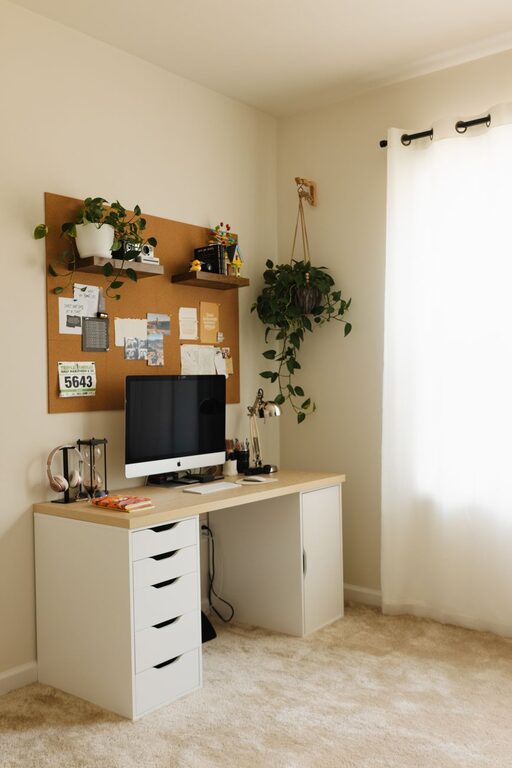
Creating a cozy and functional home workspace is essential for anyone working from home or pursuing creative projects. A well-designed workspace can boost your productivity, reduce stress, and make your workday more enjoyable. Whether you’re setting up a dedicated office room or carving out a small nook, these tips will help you create a space that is both inviting and efficient.
Choose the Right Location
Selecting the right spot for your home workspace is the first and most important step. Ideally, this space should be quiet, have minimal distractions, and receive ample natural light. Here are some considerations:
– Natural light: Sit near a window if possible. Natural light helps reduce eye strain and enhances mood.
– Distance from distractions: Choose a spot away from noisy areas like the kitchen or TV.
– Privacy: A separate room is best, but if that’s not possible, use room dividers or screens to create separation.
Invest in Comfortable Furniture
Comfort plays a huge role in maintaining focus and avoiding fatigue. Invest in furniture that supports good posture and suits your working style.
– Ergonomic chair: Choose a chair with good lumbar support and adjustable height.
– Desk: Pick a desk at the right height that fits your equipment without crowding your workspace.
– Optional standing desk: Consider a sit-stand desk to alternate between sitting and standing.
Keep Your Workspace Organized
An organized space helps clear your mind and improves efficiency.
– Declutter regularly: Remove items you don’t need daily.
– Storage solutions: Use shelves, filing cabinets, or desk organizers to keep documents and supplies tidy.
– Cable management: Use clips or sleeves to keep cords neat and prevent tangling.
Add Personal and Cozy Touches
Personalizing your workspace makes it more inviting and comfortable.
– Plants: Small potted plants add color and improve air quality.
– Lighting: Add a desk lamp with warm light to create a cozy atmosphere, especially for evening work.
– Decor: Use artwork, photos, or inspirational quotes that motivate you.
– Soft textiles: Incorporate a small rug, cushions, or a throw blanket for added comfort.
Optimize for Productivity
A functional workspace supports your work habits and keeps distractions at bay.
– Essential tools: Keep your most-used items within reach to avoid interruptions.
– Technology setup: Ensure your computer, monitor, and peripherals are ergonomically positioned.
– Noise control: Use noise-canceling headphones or white noise machines if needed.
– Schedule breaks: Incorporate regular breaks to stretch and rest your eyes.
Maintain Good Air Quality and Temperature
The physical environment impacts your focus and comfort.
– Ventilation: Keep windows open or use an air purifier to maintain fresh air flow.
– Temperature: Adjust heating or cooling to keep the room at a comfortable temperature.
– Humidity: Use a humidifier if the air is too dry, especially in winter months.
Lighting Tips for Different Times of Day
Lighting quality can influence your mood and energy levels.
– Daytime: Maximize daylight, but use curtains or blinds to reduce glare on screens.
– Evening: Use adjustable, warm-toned lights to prevent strain and create a relaxed ambiance.
– Task lighting: A focused desk light can help when working on detailed projects.
Design for Flexibility
Your workspace should adapt to different tasks and comfort needs.
– Adjustable furniture: Chairs and desks that can change height or angle.
– Multi-purpose areas: A surface for both computer work and paper projects.
– Storage modularity: Containers and shelves that can be reconfigured.
Final Thoughts
Creating a cozy and functional home workspace doesn’t have to be expensive or complicated. By focusing on comfort, organization, lighting, and personalization, you can build a space that supports both efficiency and well-being. Spend some time experimenting with your setup and adjust it as needed — the best workspace is one that suits your unique needs and helps you do your best work.