

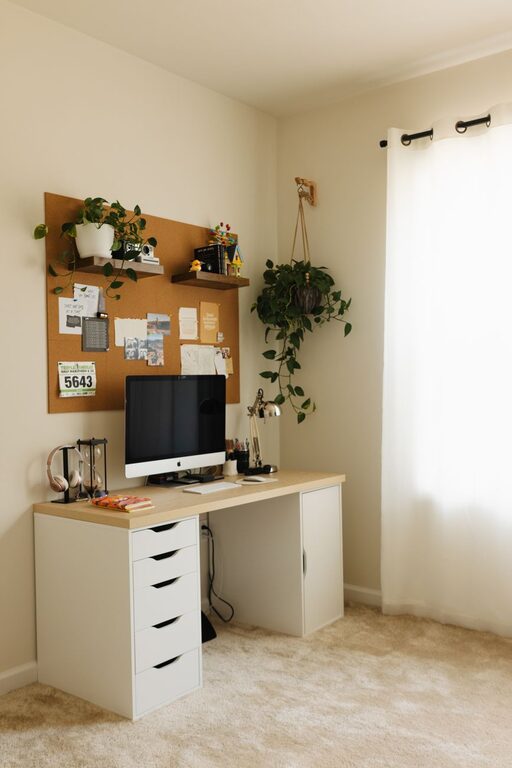
Creating a home office that is both cozy and productive can significantly improve your work-from-home experience. Whether you’ve recently transitioned to remote work or want to refresh your current setup, designing a space that supports focus and comfort is essential. In this post, we’ll explore practical tips to help you create a home office that encourages productivity while feeling inviting and comfortable.
Choose the Right Location
Selecting the right spot in your home for your office is the first step. Ideally, pick a quiet area with minimal foot traffic and distractions. If possible, choose a room with natural light because it can boost mood and energy. If natural light is limited, consider bright, adjustable lighting options that mimic daylight.
Invest in Comfortable Furniture
Your furniture plays a big role in how productive and comfortable you feel. A supportive chair with adjustable height and lumbar support helps prevent discomfort during long work hours. Pair it with a desk at proper height — your arms should rest comfortably while typing. If space allows, adding a small couch or armchair can offer a spot for breaks and brainstorming sessions.
Organize with Intention
Clutter can hinder your focus. Use shelves, drawers, and organizers to keep supplies tidy and easy to reach. Consider a filing system for papers and a desk organizer for pens, notebooks, and electronics. A clean desk area not only looks inviting but also helps you mentally prepare for work tasks.
Personalize Your Workspace
Adding personal touches can make your home office feel cozy and motivating. Decorate with photos, artwork, or plants that you love. Plants, especially, improve air quality and add a calming presence. Use colors you find soothing or energizing—like soft blues or greens for relaxation, or brighter hues for motivation.
Set Clear Boundaries
Establishing clear boundaries between work and home life prevents burnout. If possible, use a door to separate your office area from living spaces. When work is done, close the door or physically leave the space to help signal the end of the workday. Inform family or housemates about your work hours to minimize interruptions.
Optimize Technology and Connectivity
Reliable technology supports smooth workdays. Invest in a strong Wi-Fi connection and test your video conferencing setup. Manage cables with clips or sleeves to keep your space neat and safe. Consider noise-canceling headphones or a white noise machine if ambient sounds are distracting.
Prioritize Ergonomics
Good ergonomics reduce strain and keep you comfortable. Align your computer screen at eye level to avoid neck pain. Keep your wrists straight while typing and use a mouse pad with wrist support if needed. Take regular breaks to stretch or walk around to maintain circulation and reduce tension.
Incorporate Task Lighting
Adequate lighting is important to reduce eye strain. Use a combination of ambient lighting and focused task lighting like a desk lamp. Adjustable lamps allow you to direct light exactly where you need it, improving visibility for reading or detailed work.
Use Color and Texture for Warmth
Incorporate textures like soft rugs, cushions, or curtains to add warmth and comfort to your office. These elements absorb sound and create a more inviting atmosphere. Colors such as warm neutrals, pastels, or earth tones can make the room feel homier.
Keep Essentials Within Reach
Make your daily tools easy to access to avoid disruption. Keep your planner, phone charger, notebooks, and favorite pens close to your work area. This saves time and keeps you focused on your tasks without constantly searching for materials.
Encourage Movement and Breaks
Create a habit of taking short breaks to stretch or move around. Consider a standing desk converter if you want to alternate between sitting and standing. Movement during the day helps improve circulation, energy, and concentration.
Final Thoughts
Designing a cozy and productive home office is about balancing comfort with functionality. By choosing the right location, investing in ergonomic furnishings, organizing intentionally, and personalizing your space, you can create an environment that enhances your well-being and work efficiency. Remember, your workspace should reflect your needs and style—make it a place you enjoy spending time in every day.